Hidden Mold Remediation (Behind Walls) in Keewaydin, MN
Hidden mold is removed from wall cavities and behind fixtures in your Keewaydin property. Call 24/7 to start your assessment and cleanup.
- Moisture readings before openings
- Contained drywall removal
- Cavity cleaning and drying
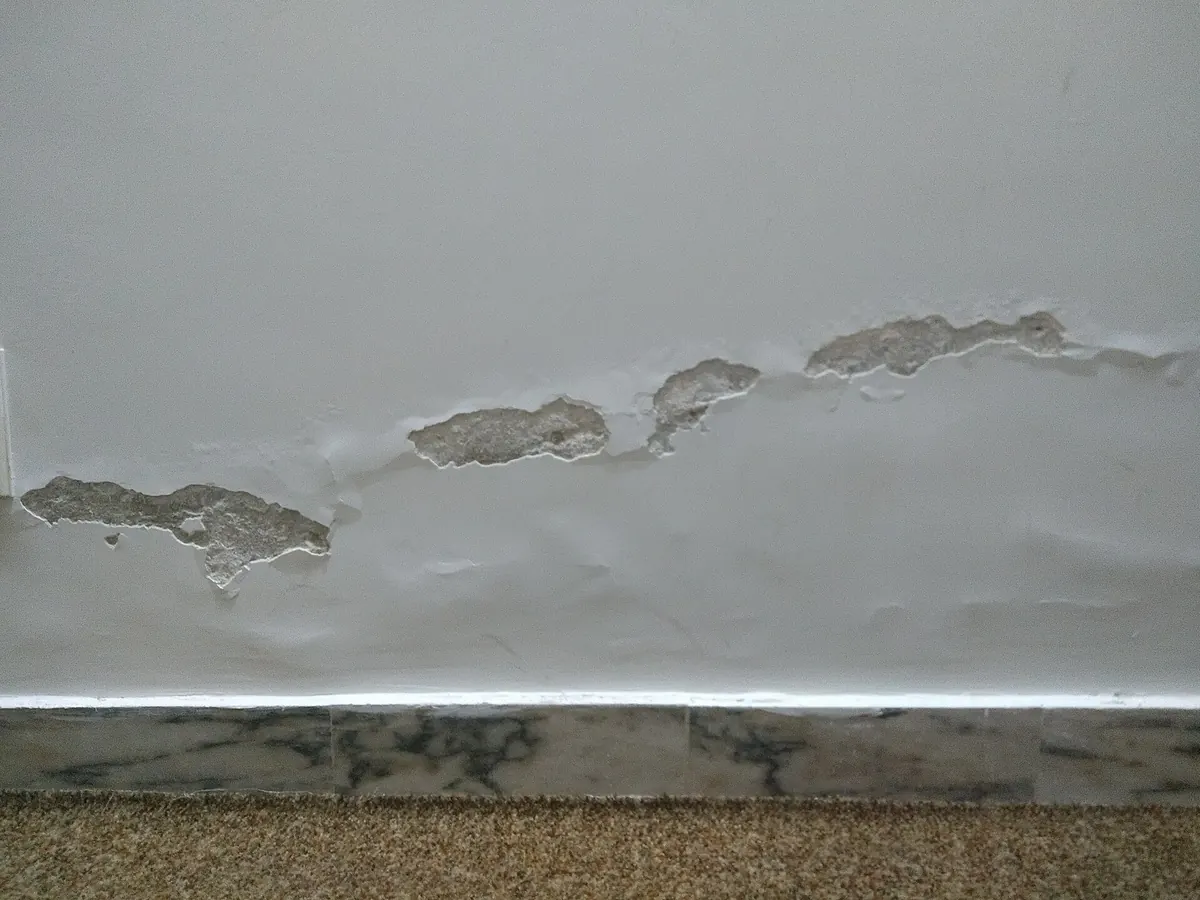
Mold Remediation Services Addressing Hidden Mold in Keewaydin
Mold beneath your floors, behind drywall or beside fixtures is reached during cleanup. Damaged material comes out within containment, while sound framing and surfaces inside cavities are cleaned, then dried.
A hidden leak can wet insulation behind intact finishes. A borescope, inspection holes or a cut-out inspection may reveal concealed surfaces, with containment established before suspect materials are disturbed.
Your written scope of work defines access, removal and separate repairs. Mold behind walls is assessed beyond the visible stain. Newly exposed damage is assessed before the removal boundary expands.
- Moisture mapping for concealed growth
- Access Behind Baseboards and Cabinets Under Controlled Conditions
- Damaged drywall and insulation removal
- Wall cavity cleaning and measured drying
- Final checks before replacement finishes
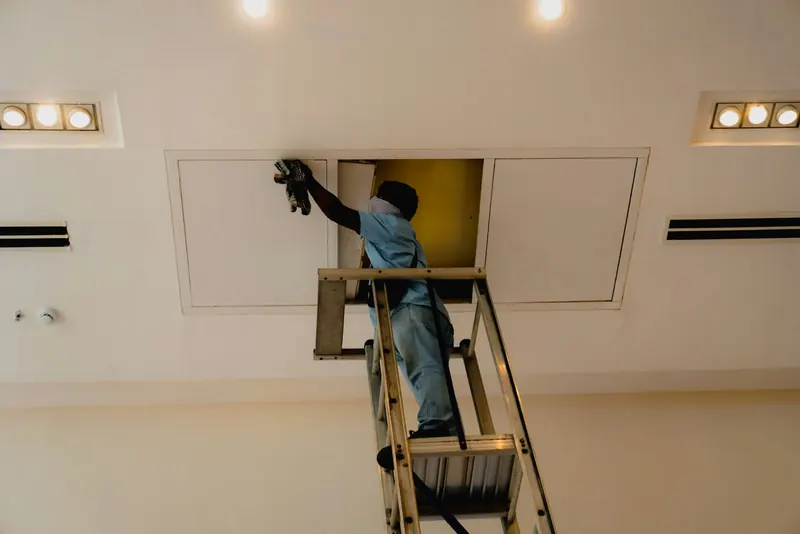
Hidden Mold Signs to Notice in Hennepin County Properties
Arrange assessment if you notice ongoing mustiness, recurring staining or damp finishes. These conditions by themselves cannot confirm hidden growth.
Hidden Mold Exposed During Repairs
When you repair cabinets or ceilings, concealed materials reveal growth.
Loose Wallpaper or Flooring
Moisture below finishes may occur with cupped flooring, lifting wallpaper or underlayment that feels damp.
Near a Finished Wall: A Musty Smell
You notice an ongoing smell beside a cabinet or wall despite visibly clean surfaces.
Returning Mold on Walls
You find recurring spots following surface cleaning, alongside dampness or stains in that same area.
Soft Drywall Near Plumbing
Near your bathroom or sink, drywall feels soft, baseboards swell or paint bubbles.
Understanding the Hidden Mold Remediation Process
For your mold cleanup, assessment precedes contained removal, and verification follows the cleaning.
Hidden Mold Inspection
A moisture meter maps damp areas during your assessment. Mold cannot be identified with a thermal imaging camera, which detects temperature variations.
Hidden Moisture Source and Scope
Before planning openings, the paths of leaks are assessed. Before walls close, your remediation protocol sets necessary moisture repairs, limits on access and cleanup boundaries.
Containment Before Cavity Access
Poly sheeting forms a containment barrier around the opening area. Negative air pressure limits particle spread during disturbance alongside protective equipment and a HEPA air scrubber.
Interior Cavities and Mold Removal From Drywall
Through assessed openings, your cleanup crew takes out damaged drywall and insulation plus backing that cannot be cleaned. Debris from your rooms is bagged within containment before removal.
Cavity Surface Cleaning
Sound framing undergoes damp cleaning plus HEPA vacuum cleaning, as do accessible non-porous surfaces. Antimicrobial treatment can supplement physical removal where appropriate; removal still has to take place.
Controlled Drying and Moisture Control
After cleaning and removal, air movers work with drying equipment and a dehumidifier to support drying. Correcting the water source happens alongside progress tracking through moisture readings.
Verification and Containment Removal
Before removing containment, complete final cleaning along with drying and any agreed post-remediation verification. When specified, clearance testing is performed by an independent assessor; replacement materials come after final checks.
Why Consider Minneapolis Mold Removal Services for Hidden Mold Remediation
Calls Answered 24/7
You can start a concealed mold assessment throughout the metro by calling one number, night or day.
Contained Cavity Work
As your cavities are opened, HEPA filtration, containment and a protected route for debris restrict particle spread.
Clear Scope Before Opening
Work begins with defined boundaries for access and removal, and expansion requires assessment of newly exposed damage.
Removal Through Final Checks
Damaged material is removed, sound surfaces are cleaned and dried, and verification precedes wall closure.
Hidden Moisture First
Water paths are traced before cleanup so concealed dampness is addressed in your removal and repair scope.
Before Hidden Mold Cleanup in Hennepin County
Arrange your assessment by calling. Do not disturb suspect finishes.
- Stop New Water. Avoid electrical equipment that is wet, and stop using the leaking fixture if safe.
- Leave Surfaces Intact. Avoid investigating by cutting drywall or peeling wallpaper.
- Keep People Clear. Children and pets should stay clear of affected materials as well as damaged finishes.
- Avoid Spreading Particles. Avoid running HVAC equipment you suspect contains mold, and never direct fans toward a potentially affected cavity.
- Limit Recent Water Damage. To prevent mold growth, EPA recommends that you dry water-damaged items and areas within 24 to 48 hours.
Hidden Mold Remediation Cost for Keewaydin, MN Properties
Your cost varies with concealed mold, the access required and replacement materials. These national published ranges list removal separately from drywall repairs. Before cleanup begins, your price and work scope are established.
Bathroom Mold Concealed Behind a Vanity or Tub, Up to
$500 to $8,000 per jobSource: Bob Vila, Mold Remediation Cost (cites Angi and HomeAdvisor) (checked 2026-10-23)After Removal: Repair or Replace Drywall
$1,000 to $2,900 per jobSource: Servpro, Mold Remediation Cost (checked 2026-10-23)Factors Affecting Your Cost in Keewaydin
- Moisture source repair
- Replacement of affected materials
- Concealed Growth: Its Depth and Size
- Containment and waste route
- Fixture removal for access
Your Hidden Mold Cleanup Price
These published national ranges are planning figures. Your on-site assessment defines the work and price before cleanup starts, including any separate source repairs or rebuilding.
Call (844) 352-3560 about costHidden Mold Remediation (Behind Walls) Service Area Across Greater Minneapolis
Call (844) 352-3560 to arrange cleanup in Keewaydin or nearby communities. One number covers the metro.
ZIP codes
What People Ask About Hidden Mold Remediation (Behind Walls) in Keewaydin
Can mold come back once you close the wall?
Unresolved moisture can allow mold to come back. Your cleanup starts with tracing leaks and dampness, then removing damaged materials and cleaning sound surfaces. Cavities are dried and checked before rebuilding. Completed source repairs and ongoing moisture control reduce the conditions that allowed growth behind your finishes.
What is the timeframe for hidden mold cleanup in Keewaydin?
Your schedule is set after the affected cavities and access needs are assessed. Drying thick framing, taking cabinets out or opening multiple layers of wall adds work. Drying duration depends on moisture readings. Your room's readiness depends on any separate plumbing, finish or drywall repairs, and walls close only after final checks.
How much does concealed mold cleanup cost in Hennepin County?
The extent of hidden damage and the openings necessary for access affect your cost, together with the materials removed. The cards above list nationally published cost ranges alongside the sources. Drying and rebuilding, along with fixture removal, shape your total. Your cleanup and any separate repairs are defined ahead of work.
While your wall cavities are being cleaned, can you stay home?
Staying home may be possible with living spaces and entry routes kept apart from the cleanup zone. That choice depends on shared ventilation, access to bathrooms and your household's needs. Restrictions are determined in your assessment ahead of removal. Certain layouts mean you need to move out temporarily through containment, cleaning and the final checks.
Does every wall need to come out?
No. Assessment and controlled access establish growth extent and material condition, which guide what is removed from your property. You can keep adjacent surfaces remaining sound. Cleanable framing can stay following treatment, while mold on drywall may mean removing the affected portion. Your original boundary may shift as damage is uncovered.
Does cleanup include fixing your hidden leak?
The moisture source is traced during assessment, and the repair needed is identified alongside removal. For plumbing, roof or window repairs to be included, your scope must list them. Separate repair work is defined before cleanup starts so your cavity is not closed around an unresolved source of water.
Is mold testing needed before or after opening walls?
Choose testing to address a particular assessment question. Inspection with moisture checks guides access; air sampling by itself cannot pinpoint growth inside a particular wall cavity. Cleaning and drying are checked after removal. Specified clearance testing is conducted by an independent assessor. Federal limits do not exist for indoor mold levels.
Hidden Mold Cleanup in Minnesota: Insurance Considerations
Insurance coverage depends on the water source, policy exclusions, mold limits and deductible. Cleanup, source repairs and rebuilding may receive different decisions.
Hidden Mold and Cavity Opening Safety Across Greater Minneapolis
Containment reduces the spread of particles as your cavity is opened. Visible staining alone cannot define how much material needs removal.
Hidden Mold Dust
Peeling off wallpaper or making wall openings may send mold spores into adjacent rooms.
Hidden Cavity Damage
Insulation and framing conditions remain unconfirmed by surface appearance alone.
Sensitive Occupants
CDC notes that mold can trigger allergy and asthma symptoms in some people.
Mold Color
According to CDC, you cannot judge the risk of a mold by color.
Cleanup scope: EPA says areas under about 10 square feet can often be homeowner-cleaned. Visible patches alone do not establish hidden growth. Get professional help for contaminated water, larger areas or affected HVAC systems.
Hidden Mold Materials Cleaned or Removed in Keewaydin
Your sound framing may be kept following cleaning and drying. Porous material beyond saving comes out, exposing the concealed mold.
Cleanable Cavity Surfaces
- Accessible metal surfaces undergo cleaning and drying, as does sound wood framing.
Damaged Porous Materials
- Affected drywall and insulation may require removal, along with cabinet backing and flooring layers beyond cleaning.
Replacement Finishes
- New drywall, trim, insulation and paint come after verification if rebuilding forms part of your scope.
Hidden Mold Cleanup Timing Across Greater Minneapolis
Drying, repairs and access needs set the time required for your cleanup.
- Controlled Access: Extra removal work comes from fixtures and layered finishes.
- Cavity Drying: Use moisture readings to determine wall closure readiness.
- Completion: Rebuilding and verification influence when rooms reopen.
Keewaydin Hidden Mold: Understanding Odor and Humidity
When you notice a musty smell, investigation includes checking moisture. Fragrance cannot clean cavities or tell you the quality of indoor air.
Your indoor relative humidity should ideally be 30 to 50 percent and stay below 60 percent, EPA recommends. Lower room humidity alone cannot repair water leaking behind a wall.
Hidden Mold Cleanup in Minnesota: Applicable Requirements
Cavity Work Requirements
The Minnesota Department of Health says neither the state of Minnesota nor any federal agency licenses or certifies mold investigators or remediators. If you are hiring someone, ask about their training and experience, and check your local contractor rules.
Repair Permits
Your included plumbing, electrical or structural work determines which permits are required.
Rental Properties
The Minnesota Department of Health says landlords are generally responsible for controlling moisture and removing mold unless the tenant caused it, and it does not inspect rentals. Renters can ask local building, housing, or health inspectors for help.
State Mold Information
The Minnesota Department of Health, Environmental Health Division, Indoor Air Unit offers phone and email advice on mold at 651-201-4601. It does not offer inspection or testing services.
State guidance: Minnesota Department of Health: Mold in homes; Minnesota Revisor of Statutes: 513.55 Disclosure
Related Services and Next Steps
Start Your Hidden Mold Remediation (Behind Walls) in Keewaydin
Call 24/7 to arrange your assessment. Your cleanup starts with the affected surfaces, moisture source and access to your home.